
Views: 7 Author: Site Editor Publish Time: 2026-05-25 Origin: Site


Upgrading or outfitting a commercial auto shop with a two-post lift is a major operational investment. You face a critical engineering choice regarding the internal lifting mechanism before bolting anything to your concrete floor. The decision between a direct drive and a chain-over Car Lift Cylinder directly influences your daily workflow. It dictates your routine maintenance frequency, safety tolerances during mechanical failures, and strict overhead clearance requirements.
Making the wrong choice can lead to severe structural limitations or unexpected operational downtime. We will move past flashy marketing terminology to objectively analyze how these mechanisms actually work in the real world. You will learn about their specific failure scenarios, structural pairings, and long-term hardware viability. Our goal is to provide clear, actionable insights to guide you toward a confident and safe procurement decision for your facility.
Lift Ratios Define the Design: Direct drive operates on a 1:1 ratio requiring taller cylinders, while chain-over utilizes a 2:1 ratio, cutting cylinder length in half for low-ceiling shops.
Safety in Failure: In worst-case scenarios, direct drive cylinders default to a controlled descent onto mechanical locks, whereas a chain snap can cause a sudden 3-inch vehicle drop.
Maintenance Realities: Direct drive reduces moving parts (no chains or rollers to lubricate/replace) but demands high-quality internal seals to prevent fluid leaks.
Structural Pairings: Chain-over designs are typically paired with floor-plate models (low clearance), while direct drives are standard in commercial clear-floor configurations.
You must understand the underlying physics to evaluate lifting mechanisms properly. Every two-post lift relies on hydraulic pressure. However, the method they use to transfer this pressure to the lifting carriage varies significantly. The lifting ratio dictates the entire physical architecture of the machine.
The chain-over configuration acts as a mechanical multiplier. We define this as a 2:1 lifting ratio. The internal Hydraulic Cylinder extends exactly one inch to lift the heavy carriage two inches. This brilliant physics workaround solves significant space limitations.
A chain-over structural layout features a visibly shorter, thicker cylinder housing. Manufacturers mount a heavy-duty roller pulley at the top of this piston. A thick steel chain routes directly over this top pulley. One end anchors firmly to the base of the lift column. The other end attaches directly to the moving carriage.
This design offers a distinct structural trade-off. It achieves maximum vehicle lift height without forcing the inner piston to protrude above the metal column. You save massive amounts of vertical space. It accommodates shops struggling against restrictive ceiling constraints.
A direct drive configuration abandons the chain entirely. It operates on a strict 1:1 lifting ratio. The hydraulic unit moves exactly one inch to lift the attached carriage exactly one inch. There are no multipliers. There are no intermediate pullies.
Let us look at the micro-mechanics. Pressurized fluid travels aggressively through a completely hollow piston rod. This fluid fills the main internal chamber. The rising pressure pushes the rod downward against the baseplate. This equalized force pushes the outer cylinder body upward. Because the lifting carriage bolts directly to this cylinder body, they rise together in perfect unison.
Modern commercial models frequently utilize High-Volume, Low-Pressure (HVLP) mechanics. They push more fluid at lower pressure thresholds. This significantly reduces dangerous mechanical stress on the primary hydraulic pump. It prolongs the lifespan of internal rubber seals.
You should clarify a standard industrial misconception. Most modern two-post lifts utilize single-acting mechanisms. Pressurized fluid pushes the carriage upward against gravity. When you press the release lever, gravity safely brings the heavy carriage back down. The fluid simply drains back into the reservoir.
Industrial manufacturing equipment often relies on double-acting cylinders. These push fluid in both directions for powered descents. Automotive lifts avoid this complexity. Single-acting systems simplify valve layouts drastically. They reduce potential failure points. They lower your ongoing maintenance burdens.
Feature Comparison | Chain-Over System | Direct Drive System |
|---|---|---|
Lifting Ratio | 2:1 (Multiplier effect) | 1:1 (Direct translation) |
Cylinder Length | Shorter (Half the lift height) | Taller (Equals full lift height) |
Vertical Clearance | Excellent for low ceilings | Requires tall overhead clearance |
Mechanism Type | Hydraulic pushed, chain pulled | 100% Hydraulic driven |
Note: The choice of mechanism directly dictates the physical footprint of the lift. A 1:1 ratio requires columns tall enough to house the full stroke. This makes it highly unsuitable for auto shops featuring ceilings under 11 feet.
Safety considerations drive most commercial procurement decisions. No shop owner wants to face a catastrophic equipment failure. You must understand how these two divergent systems behave when critical parts break under extreme loads.
Imagine hoisting a 4,000-pound truck high in the air. We must analyze the mechanics of a sudden chain snap. Chains endure immense tension daily. Poor lubrication or metal fatigue eventually leads to outright failure.
If a chain snaps mid-lift, you experience the dreaded "3-inch drop." Manufacturers space mechanical safety locks exactly every three inches along the steel column. The carriage instantly freefalls until it smashes into the nearest mechanical lock.
The chain breaks violently under load.
Gravity pulls the unsupported carriage downward instantly.
The carriage collides with the solid steel safety lock beneath it.
The violent stop transfers massive kinetic energy to the vehicle frame.
This dynamic shock load proves incredibly dangerous. The vehicle's center of gravity shifts wildly upon impact. It risks bouncing the heavy vehicle entirely off the delicate lift pads.
Direct drive models present a different failure profile. Let us analyze a massive fluid loss or sudden seal blowout. Direct drive units possess no lifting chains to snap.
Without a chain, the loss of active hydraulic pressure initiates a controlled descent. The heavy carriage begins settling smoothly. It slowly drifts downward onto the nearest mechanical lock. This slow settling prevents violent mechanical jolts. It keeps the vehicle perfectly stable on the lift pads. The predictability of this failure scenario saves lives in busy commercial garages.
We must clarify a very common misconception among novice buyers. Both lifting mechanisms require equalization cables. These braided wire ropes run between the two columns.
They do not lift the vehicle. They exist purely for balance. They force the two independent carriages to move in perfect mechanical sync. If one side catches, the cables stall the opposite side. They prevent the vehicle from tilting dangerously. Do not confuse them with primary lifting chains.
Best Practice Tip: When evaluating heavy-duty lift safety, prioritize models featuring internal synthetic guide rings. These robust rings prevent destructive metal-on-metal friction inside the main cylinder bore. Furthermore, insist on high-grade polyurethane O-rings. They significantly reduce your overall risk of sudden seal blowouts.
Your shop's architecture heavily influences your available choices. You cannot force a tall lift into a low building. Furthermore, the concrete foundation dictates which structural style you can safely anchor to the ground.
The chain-over mechanism serves as the dominant choice for base-plate models. The industry calls these floor-plate lifts. The shortened internal Car Lift Cylinder fits beautifully within restricted column heights. The hydraulic lines and equalization cables route across the floor. A steel plate covers them safely. This configuration fits perfectly under low ceilings.
Conversely, direct drive technology pairs almost exclusively with clear-floor configurations. These lifts route all cables and hoses through an overhead steel beam. They leave the floor completely bare. Mechanics love this setup. They can roll transmission jacks and oil drains freely underneath the vehicle. However, the overhead beam and tall internal cylinders require ceilings exceeding 12 feet.
Many buyers overlook the minimum pad height specification. It matters greatly if you service exotic sports cars like Corvettes or Porsches. Low-profile vehicles sit incredibly close to the ground.
You must ensure the specific cylinder and carriage design allows the arm pads to drop low enough. Ideally, the pads should rest under four inches from the floor. If they sit too high, they will scrape the vehicle's side skirts. Mechanics then waste precious time building custom wooden ramps to elevate the tires. This destroys daily workflow efficiency.
Different lift structures transfer different load stresses to your concrete slab. Floor-plate models distribute weight across a wider base footprint. Clear-floor models rely heavily on the overhead beam for structural rigidity.
Direct drive clear-floor models exert massive lateral torque onto the base anchors. Your concrete PSI ratings and absolute slab depth become critical safety factors. Never install a high-capacity lift on cracked or thin residential concrete.
Common Mistake Avoidance: Before setting thick anchor bolts during final installation, thoroughly blow out all concrete dust from the freshly drilled holes. Residual concrete dust prevents the wedge anchors from seating properly. Improper seating remains the leading cause of dangerous post-installation column shifts.
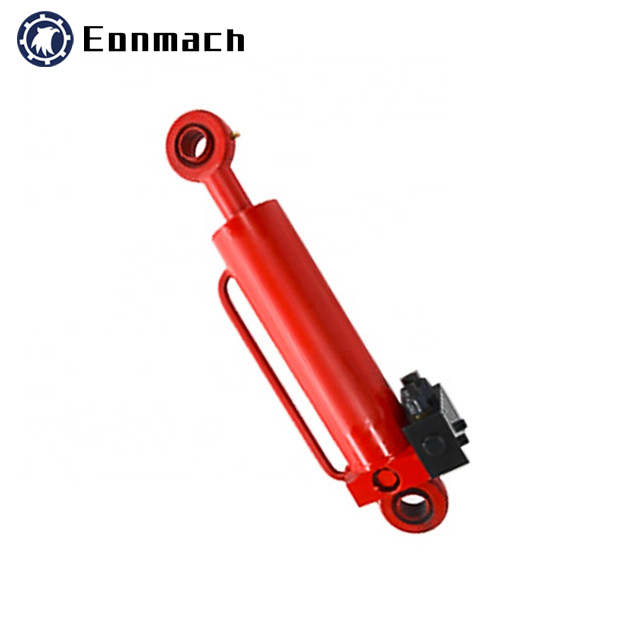
Premium direct drive cylinders utilize precision-machined internal surfaces to guarantee smooth, synchronized vehicle lifting in high-volume auto shops.
Initial purchase prices tell only part of the story. You must analyze the ongoing operational costs over a ten-year lifespan. Moving parts require constant attention. Friction generates heat and wear. You must budget for replacement parts and unavoidable labor downtime.
Chain-over lifts introduce several vulnerable consumables into your shop environment. You must inspect heavy chains, top pulleys, and lower rollers regularly. They demand consistent grease lubrication to function safely.
Heavy lifting chains eventually stretch. Metal fatigue alters their exact length. Once a chain stretches beyond the manufacturer's specified tolerance, you must replace it immediately. You cannot repair a stretched chain.
Direct drive architecture aggressively eliminates these specific chains and pulleys. Your primary wear points confine themselves to internal rubber seals and external plastic slide blocks. You eliminate the messy chore of greasing exposed vertical chains.
You must factor in the harsh operational realities of physical repairs. Replacing a stretched chain takes moderate effort. Two technicians can usually swap a chain in a few hours using basic hand tools.
Replacing a massive direct drive hydraulic unit presents a different challenge. The internal component is incredibly heavy. Mechanics often require a rolling engine hoist or a small forklift to safely extract the old unit. It demands significantly more heavy-lifting labor.
However, you perform this heavy labor far less often. While direct drive components cost more to manufacture and replace, they simply last longer. Their Mean Time Between Failures (MTBF) extends impressively in high-volume commercial environments. They endure relentless daily cycles better than complex chain arrays.
Maintenance Metric | Chain-Over Mechanism | Direct Drive Mechanism |
|---|---|---|
Routine Lubrication | High (Chains, pulleys, rollers) | Low (Slide blocks only) |
Wear Items | Chains stretch over time | Internal seals degrade slowly |
Repair Labor Effort | Moderate (Hand tools) | Heavy (Requires hoist/forklift) |
Commercial Durability | Good for moderate volume | Excellent for high-cycle volume |
Choosing the right equipment requires matching technical specifications to your daily operational reality. Use this simple framework to guide your final procurement decision.
Choose Chain-Over If:
You face strict ceiling height constraints measuring under 11 to 12 feet.
You are outfitting a lower-volume garage or a personal enthusiast workspace.
Your initial procurement budget serves as the primary limiting factor.
Choose Direct Drive If:
You operate a high-volume commercial repair shop or busy dealership.
Unobstructed floor clearance for rolling jacks and oil drains is mandatory.
Long-term failure safety and the minimization of moving parts take priority over upfront costs.
Safety Note: Always verify that your chosen lift holds an active Automotive Lift Institute (ALI) certification. This gold-standard certification ensures independent third-party testing. It guarantees the hydraulic and mechanical components meet strict international safety standards regardless of the underlying cylinder type.
Neither lifting mechanism proves universally superior in every scenario. They serve distinct operational realities and architectural limitations. Direct drive systems deliver robust, high-volume reliability. They offer superior safety tolerances during catastrophic seal failures. Conversely, chain-over systems provide a brilliant engineering workaround. They deliver professional lifting capabilities to garages burdened by severe structural height limitations.
We recommend you take proactive steps today. Measure your absolute ceiling height carefully. Verify your concrete slab specifications against manufacturer requirements. Finally, calculate your anticipated daily lift cycles. Gather this critical data before requesting official quotes from heavy equipment manufacturers.
A: Not necessarily. Lift speed relies entirely on the hydraulic pump's specific flow rate, measured in gallons per minute (GPM). The electric motor's horsepower also dictates lifting speed. The internal lifting ratio itself does not make the vehicle ascend faster. You must upgrade the power unit to increase cycle speed.
A: You should typically replace lifting chains every three to five years in a busy commercial setting. However, replacement depends heavily on measurable stretch. You must replace them immediately when a certified inspector measures a specified percentage of elongation during routine annual safety inspections.
A: No. Manufacturers fundamentally engineer the column architecture, steel carriage design, and hydraulic power unit around the specific internal cylinder type. You cannot retrofit a tall direct drive mechanism into a short column built for chains. You must purchase an entirely new lift assembly.