
+86-182-5320-5956 / +86-138-5324-2059 +86-153-7689-5956 / +86-189-5326-2457
Email: info@eonmach.com sales@eonmach.com
Views: 12 Author: Site Editor Publish Time: 2026-03-31 Origin: Site


Hydraulic cylinders are essential components in machinery across various industries. However, the presence of trapped air can lead to performance issues, reducing both efficiency and control. In this article, you’ll discover how air impacts hydraulic cylinder operation, why bleeding is necessary to eliminate it, and how this process enhances overall performance. We’ll also share practical maintenance tips to help keep your hydraulic system running reliably and efficiently.
Hydraulic cylinders are simple yet powerful devices used to create linear motion and force. They mainly consist of three parts: the cylindrical barrel, the piston inside the barrel, and the rod connected to the piston. Hydraulic fluid, usually oil, is pumped into the cylinder. This fluid pressure pushes the piston, which moves the rod to perform tasks like lifting, pushing, or pulling.
Inside the barrel, the piston divides the space into two chambers. When fluid enters one chamber, it pushes the piston to extend or retract the rod. This fluid power converts into mechanical force. The system relies on the fluid being incompressible to maintain smooth and precise movements.
Hydraulic fluid is designed to transmit power efficiently. However, if air enters the system, it changes how the cylinder behaves. Unlike fluid, air is compressible. When air bubbles get trapped, they act like tiny cushions that compress and expand as pressure changes. This causes the cylinder to feel spongy or soft and can lead to jerky or uneven movements.
Air can also mix with the hydraulic fluid, creating foam or bubbles. This foaming reduces the fluid’s ability to lubricate and transfer heat properly. Over time, this can cause increased wear on seals and other parts. Air in the fluid can also cause cavitation, where vapor bubbles form and collapse, damaging metal surfaces inside the cylinder.
Air can enter hydraulic cylinders for several reasons:
Leaks in seals or fittings: Worn or damaged seals allow air to seep into the system.
Improper fluid filling: Filling the reservoir too quickly or without proper venting traps air.
Maintenance procedures: Opening the system for repairs or fluid changes can introduce air if not bled correctly.
Fluid aeration: Hydraulic fluid can absorb air over time, especially if exposed to agitation or temperature changes.
Low fluid levels: When fluid is low, pumps may suck in air, which then circulates through the system.
Understanding these causes helps prevent air from building up and ensures the hydraulic cylinder works smoothly.
Hydraulic cylinders rely on fluid pressure to operate smoothly and deliver consistent power. When air gets trapped inside, it changes how the cylinder behaves. Recognizing the symptoms early helps prevent damage and keeps your system running efficiently.
If the hydraulic cylinder feels soft or spongy when you operate it, air is likely inside. Unlike fluid, air compresses under pressure, so the cylinder won’t respond firmly. Instead, it feels like pressing a sponge — the piston moves but lacks the usual stiffness or resistance.
Air bubbles cause uneven pressure inside the cylinder. This leads to jerky or stuttering movements during extension or retraction. Instead of smooth, steady motion, the cylinder may hesitate, jump, or move in fits and starts. This irregularity can reduce precision and affect the machinery’s performance.
Air trapped in the hydraulic fluid decreases the system’s ability to transmit force. You might notice the cylinder struggles to lift or push loads it handled easily before. This loss of power can slow down operations and increase strain on other components.
Air bubbles moving through the hydraulic system produce noises like gurgling, knocking, or popping. These sounds indicate that air is compressing and decompressing inside the cylinder or fluid lines. Such noises are clear warnings that bleeding is needed.
Air in the hydraulic fluid reduces lubrication and causes friction, leading to higher operating temperatures. You might also see foam or bubbles in the fluid reservoir or around the cylinder. Foaming reduces the fluid’s effectiveness and signals trapped air.
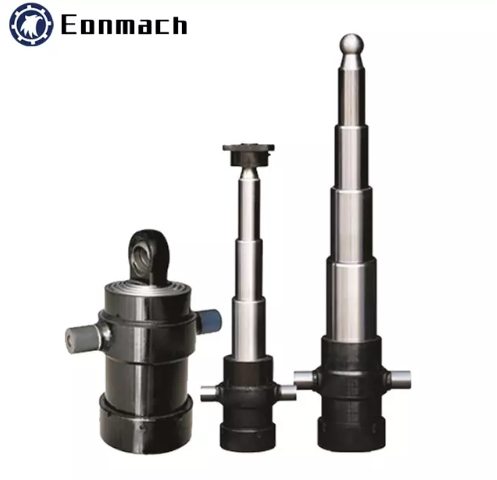
Bleeding hydraulic cylinders removes trapped air, restoring smooth operation and full power. Various methods exist, each suited to different systems and conditions. Choosing the right one depends on your cylinder’s design, the amount of air present, and available tools.
Manual bleeding is the simplest method, often used for smaller or less complex systems. It involves cycling the cylinder through its full range of motion to push air out:
Fully extend the cylinder rod.
Slowly retract it to force air toward the reservoir or bleed valve.
Repeat this extend-retract cycle several times.
Open the bleed valve slightly during cycling to let air escape.
Close the valve once only hydraulic fluid flows without bubbles.
This method requires patience and multiple cycles to ensure all air is expelled. It’s cost-effective and doesn’t need special equipment.
Pressure bleeding uses the hydraulic pump to force air out under pressure. This method is faster and more effective for larger systems or when manual bleeding isn’t sufficient:
Connect the pump to the hydraulic system and the bleed valve.
Pressurize the system gradually using the pump.
Open the bleed valve to release air pushed out by the fluid.
Continue until fluid flows steadily without air bubbles.
Close the valve and check system pressure.
Pressure bleeding keeps the system under constant pressure, preventing air from re-entering during the process.
For complex or high-volume hydraulic systems, vacuum pumps or specialized bleeding tools may be necessary:
Vacuum pumps create negative pressure, drawing air out of the system.
These tools attach to bleed valves or fluid reservoirs.
They are ideal for removing stubborn air pockets or dissolved air.
Specialized bleeding kits may include hoses, fittings, and gauges to monitor progress.
Though more expensive, these tools improve bleeding efficiency and system reliability.
Selecting the best bleeding technique depends on several factors:
| Factor | Recommended Method |
| Small/simple systems | Manual bleeding |
| Medium to large systems | Pressure bleeding with pump |
| Systems with persistent air or complex circuits | Vacuum pump or specialized tools |
Also consider the availability of tools, operator skill level, and time constraints. Always follow manufacturer recommendations for your specific hydraulic system.
Before starting, collect all tools and materials needed to bleed the hydraulic cylinder safely and efficiently:
Wrenches: Various sizes to open and close bleed valves.
Clear container or bucket: To catch hydraulic fluid and observe air bubbles.
Hydraulic fluid: Correct type per manufacturer’s specifications for refilling.
Rags or absorbent pads: For cleaning up spills.
Safety gear: Gloves and safety glasses to protect skin and eyes.
Having everything ready avoids interruptions and reduces contamination risk.
Safety is critical when working with hydraulic systems:
Depressurize the system: Turn off equipment and release pressure slowly using control valves.
Wear safety gear: Gloves protect hands from fluid; glasses shield eyes from splashes.
Work in a clean, well-lit area: Cleanliness prevents dirt from entering the system.
Keep the workspace organized: Avoid slip hazards from spills by cleaning immediately.
Never attempt bleeding under pressure to avoid injury or equipment damage.
Find the bleed valve: Usually at the highest point on the cylinder or near hose connections.
Ensure accessibility: Remove obstructions or reposition the cylinder for easy reach.
Clean around the valve: Dirt can contaminate fluid during bleeding.
Place the container: Position it directly under the valve to catch fluid and bubbles.
Proper preparation ensures smooth bleeding and prevents mess.
Slowly open the bleed valve: Use a wrench, turning counterclockwise just enough to start releasing air.
Listen and watch: A hissing sound signals air escaping; fluid mixed with bubbles will flow out.
Be patient: Allow fluid and air bubbles to flow until only bubble-free fluid appears.
Tap the cylinder gently: If air pockets persist, light taps can help dislodge trapped air.
Avoid opening the valve too fast to prevent fluid spraying.
Close the bleed valve: Turn clockwise firmly to seal the system and prevent air re-entry.
Check fluid level: The reservoir may be low due to fluid loss during bleeding.
Refill with correct hydraulic fluid: Use a funnel to avoid spills and fill to the recommended level.
Replace reservoir caps or covers: Secure all components to maintain system integrity.
Proper sealing and fluid level ensure reliable system performance.
Operate the cylinder slowly: Observe its motion for smoothness and consistency.
Listen for unusual noises: No gurgling, knocking, or popping should be heard.
Check for leaks: Inspect around bleed valve, seals, and hoses.
Monitor system pressure: Use gauges to confirm pressure is within specified range.
If problems persist, repeat bleeding or inspect for other issues.
Proper maintenance plays a key role in preventing air from entering hydraulic cylinders. Taking regular care of the system helps avoid performance issues and costly repairs. Here are essential maintenance practices to keep air out of your hydraulic system:
Leaks are a common source of air entry. Check hoses, seals, and fittings frequently for cracks, wear, or damage. Even small leaks allow air to seep in during operation or when the system is off. Replace worn seals and tighten loose fittings promptly to maintain a sealed system.
Dirty or contaminated fluid can cause foaming and increase air entrapment. Use clean, high-quality hydraulic fluid recommended by the manufacturer. Change the fluid regularly according to the service schedule. Employ proper filtration to remove particles and moisture that degrade fluid quality.
When filling or refilling the hydraulic reservoir, vent the system carefully to let trapped air escape. Follow manufacturer guidelines for venting procedures. After maintenance or repairs, bleed the system thoroughly to remove air introduced during service.
Perform routine checks on fluid levels, pressure, and system temperature. Low fluid levels can cause the pump to suck in air, so keep fluid topped up. Scheduled fluid changes prevent degradation that promotes air bubbles and system wear.
Make sure all connections are secure and leak-free. Use the exact hydraulic fluid type and grade specified. Using incorrect fluids can reduce lubrication and increase aeration. Tight connections and proper fluids help maintain a stable, air-free system.
By following these preventative maintenance steps, you reduce the risk of air entering hydraulic cylinders. This keeps the system responsive, efficient, and reliable over time.
Even after bleeding a hydraulic cylinder, problems can persist. Troubleshooting helps identify remaining issues and ensures the system works properly.
Sometimes, not all air escapes during the first bleeding. If you still notice spongy operation, jerky movements, or noises, air may remain trapped. Look for bubbles in the fluid at the bleed valve or reservoir. Re-bleed the system by repeating the bleeding steps carefully. Make sure to open the bleed valve slowly and cycle the cylinder fully to push out hidden air pockets.
Damaged seals or worn parts can let air enter the system continuously. Inspect all seals, gaskets, and hose connections for cracks, brittleness, or leaks. Replace any compromised seals to prevent air ingress. Also, examine pistons, rods, and valves for wear that might cause improper sealing or fluid bypass, which can mimic air problems.
Contaminated or degraded hydraulic fluid can cause foaming and air entrapment. Check fluid clarity and color; cloudy or dark fluid indicates contamination. Also, look for excessive foam or bubbles in the reservoir. If fluid quality is poor, perform a full fluid change using the manufacturer’s recommended type. Clean fluid helps prevent air bubbles and maintains system performance.
Faulty pumps or valves can cause irregular pressure and allow air into the system. Inspect the hydraulic pump for signs of cavitation or damage. Cavitation occurs when air bubbles collapse inside the pump, causing noise and wear. Check valves for proper opening and closing; stuck or leaking valves may cause pressure drops that draw in air. Repair or replace malfunctioning components as needed.
Use pressure gauges to monitor system pressure during operation. Low or fluctuating pressure can signal air presence or component failure. If pressure is unstable, verify all connections are tight and seals intact. Adjust or replace pressure regulators or relief valves if they cause irregular pressure. Stable pressure is essential for smooth cylinder operation and preventing air re-entry.
Regular bleeding of hydraulic cylinders plays a crucial role in keeping the system efficient and safe. Air trapped inside the hydraulic fluid compromises the system’s ability to perform as designed, so removing it regularly prevents many issues.
Hydraulic systems rely on incompressible fluid to transmit power smoothly. Air bubbles compress under pressure, causing spongy or inconsistent movement. Bleeding removes these bubbles, restoring firm and precise operation. This leads to:
Improved responsiveness: The cylinder moves exactly as intended, without delay or softness.
Consistent power delivery: No loss of lifting or pushing force due to air cushioning.
Reduced wear: Air causes cavitation and shock waves that erode seals and metal parts. Removing air prevents this damage.
Lower operating temperatures: Air reduces lubrication efficiency, causing heat buildup. Bleeding keeps fluid performing well, protecting components.
Failing to bleed air can cause serious problems:
Cavitation: Air bubbles collapse violently, damaging metal surfaces inside the cylinder and pump.
Dieseling: Trapped air compresses and heats, igniting the fluid like a diesel engine. This can burn seals and cause sudden pressure spikes.
Accelerated wear: Shock waves from compressible air increase stress on components, shortening their lifespan.
System inefficiency: Power loss and jerky movements reduce productivity and increase energy consumption.
In safety-critical systems such as hydraulic brakes, air can be dangerous. It reduces braking precision and responsiveness, increasing stopping distances and accident risks. Regular bleeding ensures:
Reliable brake performance: Firm pedal feel and accurate control.
Prevention of brake failure: Avoids spongy brakes caused by air pockets.
Peace of mind: Consistent system behavior under all conditions.
Including bleeding as a regular maintenance step helps:
Catch air issues early: Prevents buildup before symptoms become severe.
Extend equipment life: Keeps seals, pumps, and cylinders in good condition.
Reduce downtime: Avoids unexpected failures requiring costly repairs.
Maintain optimal performance: Ensures smooth operation and energy efficiency.
By making bleeding a routine task, operators protect their investment and maintain safe, efficient hydraulic systems.
Proper bleeding of hydraulic cylinders prevents air entrapment and ensures smooth, efficient operation. Recognizing symptoms like sponginess and jerky movements helps identify when bleeding is needed. Using the right bleeding method and regular maintenance keeps the system reliable and extends equipment life. Adopting these best practices safeguards hydraulic performance and safety. For superior hydraulic solutions, trust EONMACH, whose products deliver durability and consistent power for demanding applications. Their expertise supports long-lasting, trouble-free hydraulic systems.
A: Hydraulic cylinders use fluid pressure to create linear motion. Bleeding removes trapped air that causes spongy operation and reduces efficiency.
A: Extend and retract the cylinder while opening the bleed valve slowly to release air bubbles until only fluid flows.
A: Air trapped inside hydraulic cylinders compresses under pressure, causing spongy or uneven movements that require bleeding.
A: Wrenches, a clear container, correct hydraulic fluid, rags, and safety gear like gloves and glasses are essential.
A: Regular bleeding during maintenance prevents air buildup, ensuring efficient and safe hydraulic cylinder performance.