
Views: 2 Author: Site Editor Publish Time: 2026-08-09 Origin: Site


Operating an automated parking system relies heavily on structural integrity. The stereo garage cylinder serves as the heavy-duty, load-bearing backbone of these complex structures. Without it, the entire lifting mechanism simply grinds to a halt. Unplanned equipment failure creates massive headaches for facility managers. It leads to trapped customer vehicles, angry clients, costly downtime, and severe liability risks. Ignoring daily wear pushes equipment rapidly toward catastrophic failure.
You can avoid these hazards by shifting your operational strategy. Transitioning from reactive repairs to a standardized, proactive maintenance workflow guarantees safety compliance. We will show you how to maximize equipment lifecycles and keep your daily operations running smoothly. By understanding fluid dynamics, seal degradation, and load limits, you can protect your facility from unexpected closures.
Routine maintenance of hydraulic cylinders in stereo garages reduces sudden system downtime by up to 70%.
Monitoring fluid purity and seal integrity are the most critical factors in extending cylinder lifespan.
Standardized load testing and pressure checks are mandatory for maintaining safety compliance in commercial parking facilities.
Utilizing a cycle-count tracking system helps facility managers accurately predict the "repair vs. replace" timeline for aging cylinders.
Facility managers often view equipment upkeep as an unavoidable expense. However, proactive servicing serves as a direct investment in facility uptime. Emergency repairs always cost significantly more than scheduled maintenance.
You must weigh the financial impact of emergency servicing against predictable maintenance budgets. When a Stereo Garage Cylinder fails suddenly, the costs compound quickly. You pay emergency rates for immediate technician dispatch. Furthermore, a disabled parking level halts revenue generation entirely. Scheduled hydraulic maintenance requires only minor upfront spending. It allows you to plan downtime during off-peak hours, preserving your daily revenue stream.
Continuous heavy-lifting cycles degrade internal components constantly. Micro-leaks develop slowly over thousands of lifting operations. If you ignore these tiny leaks, they inevitably cause total pressure loss. Sudden pressure drops can trap vehicles mid-air. Proactive maintenance mitigates this risk systematically. Technicians identify micro-leaks before they compromise structural safety.
Well-maintained systems operate smoothly. They encounter far less internal friction during daily lifts. Reduced friction lowers the electrical load demanded by system pumps. Consequently, your facility consumes less electricity. This operational efficiency directly reduces monthly utility bills.
Common Mistake: Many operators rely solely on calendar dates to trigger service calls. They ignore actual usage metrics.
Note: For commercial parking operators, documented maintenance logs are often required to validate insurance claims in the event of mechanical failure.
Understanding component lifecycles helps you forecast future maintenance needs. A Hydraulic Cylinder degrades based on mechanical friction and environmental exposure.
Calendar years do not accurately measure equipment wear. Instead, you must measure the average operational lifespan using cycle counts. A high-traffic downtown parking structure reaches 100,000 cycles much faster than a residential building. Basing your maintenance schedule on cycle counts prevents premature component failure.
Different internal parts wear out at vastly different rates. Review the table below for standard lifecycle baselines.
Component | Average Lifespan (Cycles / Time) | Warning Signs of Wear |
|---|---|---|
Hydraulic Seals & O-Rings | 100,000 cycles (approx. 3-5 years) | Weeping fluid around the rod, gradual pressure drops. |
Piston Rods | 250,000+ cycles (Highly variable) | Surface scoring, localized pitting, visible rust spots. |
Hydraulic Fluid | 2,000 operating hours | Milky discoloration, burnt odor, sluggish lifting speeds. |
Parking structures often expose machinery to harsh conditions. Humidity introduces moisture into the system, accelerating internal rust. Temperature extremes alter fluid viscosity. Cold weather thickens the oil, forcing pumps to work harder. Airborne debris, like dust and road salt, sticks to exposed piston rods. This debris scratches internal seals as the rod retracts.
Tip: Implement a digital cycle-counter on your automated parking system to shift from calendar-based maintenance to more accurate usage-based maintenance.
Standardizing your inspection routines eliminates guesswork. You must follow a rigid protocol to catch small defects early. We recommend dividing tasks into daily, monthly, and annual schedules.
Check for visible fluid weeping around the rod seals. Even a slow drip indicates failing seal lips.
Inspect the cylinder rod for scoring, pitting, or active corrosion.
Verify smooth operation without auditory anomalies. Groaning or squealing noises suggest severe friction.
Check current hydraulic fluid levels in the reservoir.
Inspect the fluid for milky discoloration. Milky fluid indicates unwanted water ingress.
Verify system operating pressure matches the OEM specifications exactly.
Inspect structural mounting points. Check pivot pins for excessive play or abnormal wear.
Complete a thorough fluid analysis through a certified laboratory.
Perform a scheduled system flush to remove microscopic metal shavings.
Conduct non-destructive testing (NDT), such as ultrasonic checks, on load-bearing mounts.
Re-calibrate directional control valves and system pressure relief valves.
Note: Always depressurize the hydraulic system completely and engage mechanical safety locks before performing hands-on inspections of the stereo garage cylinder.
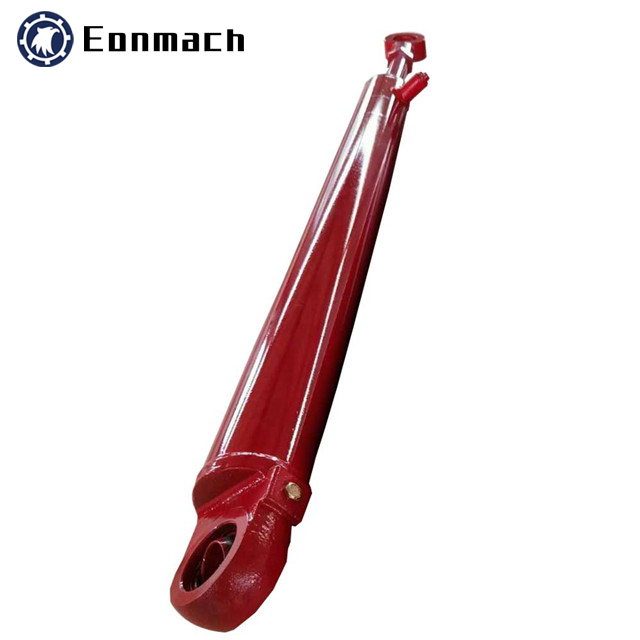
Quality stereo garage cylinders ensure smooth lifting and prevent sudden pressure loss during daily vehicle retrieval.
Operators must recognize failure symptoms immediately. Quick identification prevents minor glitches from becoming major structural catastrophes. Use the following diagnostic chart to streamline your troubleshooting process.
Symptom | Probable Root Causes | Actionable Fix |
|---|---|---|
Jerky or Stuttering Movement | Air entrapped in the lines, low fluid levels, or stick-slip friction due to degraded lubrication. | Bleed the hydraulic system. Analyze fluid for aeration. Check rod alignment. |
Cylinder Drift (Loss of Holding Position) | Internal fluid bypass caused by worn piston seals or failing holding valves. | Perform a pressure drop test. Replace internal seals or faulty directional valves. |
External Fluid Leaks | Damaged wiper seals, scored cylinder rods, or loose hydraulic fittings. | Tighten fittings to torque spec. Evaluate rod for resurfacing. Replace gland seals. |
Best Practice: Never use bare hands to search for hidden hydraulic leaks. High-pressure fluid can puncture human skin easily. Always use a piece of cardboard or wood to trace the source of a leak.
Tip: Isolate the system and perform a drop-test with a simulated load to definitively determine if drift is caused by the cylinder seals or the control valve.
Automated parking systems lift thousands of pounds directly above pedestrian areas. Consequently, safety regulations govern every aspect of their operation. You must strictly adhere to these compliance standards.
Facility managers must meet local safety codes consistently. Standards like OSHA (or regional equivalents) dictate strict guidelines for automated vehicle lifts. These regulations mandate routine inspections and documented compliance reporting. Failing an audit leads to hefty fines and immediate facility shutdowns.
Load testing proves equipment reliability under extreme stress. You must perform static load testing to ensure the system holds maximum rated capacity while stationary. During this test, technicians monitor the system for zero pressure loss. Dynamic load testing evaluates the equipment while in motion. It verifies smooth lifting and lowering under full vehicle weight.
Hydraulic power requires mechanical backups. You must evaluate the condition of velocity fuses regularly. These fuses lock the fluid flow instantly if a hose bursts. Mechanical anti-fall locks also work in tandem with the lifting cylinders. They physically prevent the platform from crashing downward if hydraulic pressure drops unexpectedly.
Note: Ensure all load testing is performed by certified technicians, as improper testing procedures can induce the exact structural failures they are meant to prevent.
Every mechanical component eventually reaches the end of its functional life. Facility managers face tough decisions when evaluating aging machinery. Choosing between repairing and replacing requires a logical financial framework.
We recommend a standard decision framework for maintenance budgeting. Calculate the total cost of repair. Include machining, resealing parts, and projected downtime. If this total exceeds 60% of a brand-new cylinder's price, replacement becomes financially superior. Buying new equipment resets your warranty and guarantees reliable performance.
Rebuilding makes sense for minor issues. It works perfectly for simple seal leaks or localized surface corrosion on the rod. Rebuilding also makes sense when standard wear affects readily available, cheap components. A skilled technician can swap O-rings and polish minor scratches quickly.
Certain damages demand complete replacement. You must replace bent rods immediately. Severely ballooned or deeply scored cylinder barrels also require total replacement. Recurrent internal bypass issues indicate structural warping. Standard rebuilding cannot fix warped metal barrels safely.
Technology improves rapidly in the parking industry. You should discuss replacing legacy cylinders with modernized units. Newer models feature advanced sensor integration. Linear transducers offer precise position tracking for better automation control. Upgraded sensors feed real-time data back to your central management software.
Tip: When opting for replacement, specify cylinders with upgraded corrosion-resistant rod coatings (like nickel-chrome plating) if your parking facility is exposed to harsh weather or road salt.
Proactive maintenance directly dictates equipment longevity and facility safety. We established the critical link between routine inspections and operational reliability. Waiting for components to break guarantees expensive downtime and severe safety risks. Implementing structured daily, monthly, and annual checks prevents these disasters.
Evaluating your current maintenance workflow marks the first step toward reducing long-term operating expenses. You must shift from calendar-based guesses to data-driven, cycle-counted service schedules. Protect your investment by treating your hydraulic systems with technical precision.
Take action today to secure your automated facility. We encourage facility managers to schedule a comprehensive diagnostic audit of their stereo garage systems immediately. Consult with an engineering partner for a precise component life-cycle analysis. A single audit can save thousands of dollars and prevent catastrophic system failure.
A: You should base fluid replacement on operating hours, typically setting a 2-3 year baseline. High-cycle facilities require faster replacement. However, you should conduct routine fluid oil analysis annually. Laboratory analysis detects microscopic wear metals and fluid degradation, telling you exactly when replacement is necessary.
A: Contamination remains the leading cause of internal failure. Both particle debris and water ingress destroy equipment quickly. Dirt scratches the metal surfaces, while water breaks down the lubrication. This combined contamination leads directly to rapid seal degradation and inevitable pressure loss.
A: No. You must use temperature-stable, anti-wear (AW) fluids specifically designated by the equipment manufacturer. Stereo garages handle massive load capacities under variable weather conditions. Cheap standard fluids thin out in summer heat or thicken in winter cold, severely damaging system pumps.
A: The most obvious symptom is cylinder drift. The lifting platform will slowly sag or lose its holding position while under heavy load. Additionally, you will notice increased pump cycle times. The motor runs longer to achieve the same lifting height because fluid is bypassing the internal seals.